
Industrial Applications of Bearing Solutions
Robotics & Automation Bearings
The use of robotics and automation continues to grow more prevalent across industries, particularly in manufacturing, as companies are realizing the full potential of its ability to reduce costs, boost production and deliver greater efficiency and competitiveness.
Typical industrial robotic applications include welding, painting, assembly, product inspection and testing. As the technology has progressed, automation has demonstrated exponential improvements in endurance, speed and precision, with more sensitive applications in medical and other high-tech sectors becoming common.
With highly choreographed, programmed movement on two or more axes, bearings play a major role in the motion control aspect of this technology. The use of high-precision bearings are an integral consideration for those tasked with designing and maintaining these applications. Bearing life and performance demand that the correct type, material and lubrication are specified.
Single-row deep groove ball bearings, with sizes ranging from miniature to extra-large, are generally the go-to bearing choice for the majority of robotic and automation applications. Thin section bearings are often designed into robot arm joints due to their low mass, space-saving construction and high-speed capability.
Roller bearings are usually the first choice for heavy-duty requirements. Slewing rings are a common selection for the main rotation and associated lift equipment. Hybrid (ceramic balls with stainless steel rings) and full-ceramic bearings are an excellent alternative for operation in a vacuum or other inhospitable environments.
The hazardous environments to which robotic applications are often subjected demand proper contamination protection in order to prevent debris of all types, shapes and sizes from entering the bearing and causing irreparable damage or premature failure.
There are many bearing closure types available, each with their own set of advantages. Regardless of the style, closures extend bearing life by preventing contaminants from reaching critical surfaces inside the bearing and help retain lubricant in the bearing.
Metallic shields make no direct contact with the inner ring, which minimizes rotational torque and helps maximize operating speed. Molded rubber seals (typically made from trusted Buna-N material) make contact with the inner ring, which provides better protection in more contaminated environments compared to metal shields, but would also increase startup and running torque due to seal resistance.
Seals might also decrease maximum rotational speed against desired rpm level, which must be taken into consideration. Depending on the bearing type, combination style seals/shields may be available for extra protection.
With excellent resistance against exposure to certain chemicals, glass reinforced PTFE seals may be a preferred choice, as it also allows higher running speed and less torque resistance compared to rubber seals.
The operating environment, applied load and intended motion profile may also influence the selected bearing material. For harsh or corrosive environments, typical in medical, food service and chemical processing applications, 440C stainless steel is often specified for the rings and balls instead of standard hard chrome steel material.
Proper bearing lubrication is another important consideration in optimizing performance and extending the life of the bearing. For example, in food and beverage processing environments, strict regulatory guidelines often dictate the use of H1 food-grade lubricants – which typically have synthetic, hydrocarbon base oils with urea, polyurea or aluminum complex thickeners – due to the possibility of incidental contact.
The critical functions of the lubricant is to minimize frictional resistance and wear of the moving parts, which are (in the case of bearings) the balls or rollers and the ring raceways. A lubricant that is designed for specific operating conditions will provide a proper load-bearing, wear protective film. The ideal condition maintains separation of these frictional surfaces by this film. Moreover, the lubricant will allow for heat dissipation and overall bearing thermal stability. The proper lubricant selection will avoid rapid deterioration over time as well as offer protection against corrosion, moisture and contaminant ingress.
Bearing optimisation for robotic applications
The idea of personal robots assisting with the housework seems great, but we’re a long way away from the technology being effective and affordable enough to see uptake on a large scale. The precision and accuracy required for ‘consumer’ robots to become a reality is becoming increasingly possible thanks to research and development conducted in industrial automation, particularly in the last decade.
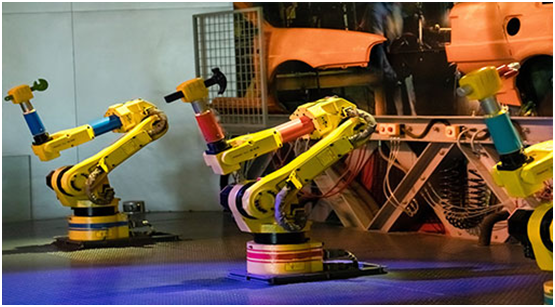
Case 1
Robotics is an interdisciplinary branch of engineering and science that includes mechanical engineering, electronic engineering, information engineering, computer science, and others. Robotics deals with the design, construction, operation, and use of robots, as well as computer systems for their control, sensory feedback, and information processing.
From production and packaging to surgical environments, robots are performing increasingly complex tasks, faster and with more precision than ever before. In surgical operations, for example, robots can perform complex surgeries with such repeatable accuracy that associated risk to the patient has dramatically fallen, while recovery time has increased.
Our relationship with industrial robots is also changing. On the factory floor, collaborative robots are breaking out of the cages that have traditionally confined them, to work in the open alongside people.
In order to meet the AI development,Luoyang jiayu design and manufacture thin section bearings and high precision crossed roller bearings
These bearings can meet the Robots requirements of low space requirement and high rotation accuracy.
Case 2
In machine tools, a spindle is a rotating axis of the machine, which often has a shaft at its heart. The shaft itself is called a spindle, but also, in shop-floor practice, the word often is used meteorically to refer to the entire rotary unit, including not only the shaft itself, but its bearings and anything attached to it (chuck, etc.).
A machine tool may have several spindles, such as the head stock and tail stock spindles on a bench lathe. The main spindle is usually the biggest one. References to “the spindle” without further qualification imply the main spindle. Some machine tools that specialize in high-volume mass production have a group of 4, 6, or even more main spindles. These are called multi-spindle machines. For example, gang drills and many screw machines are multi-spindle machines. Although a bench lathe has more than one spindle, it is not called a multi-spindle machine; it has one main spindle.
We produce the high precision thrust ball bearings and high precision angular contact ball bearing are widely used in machine tools and machine spindles.
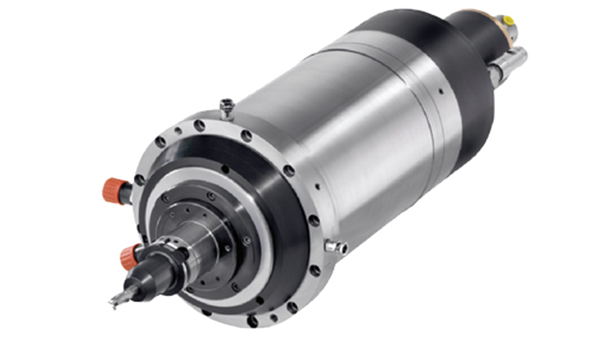
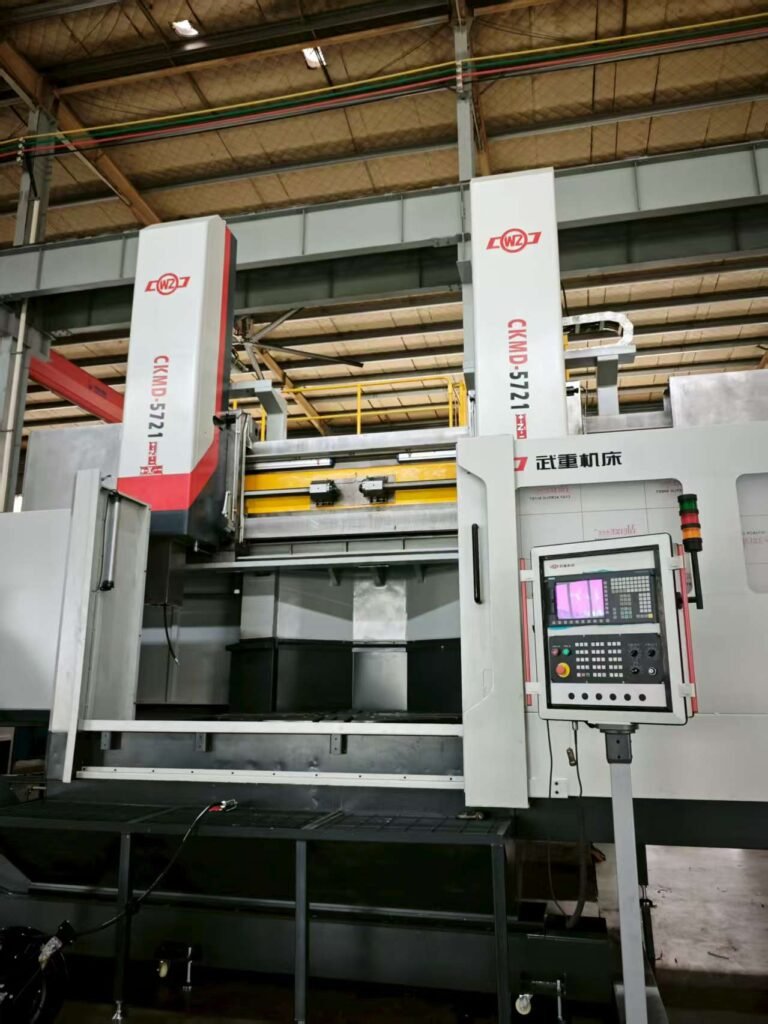
High precision thrust ball bearing
Jiayu(LYJBK) is widely used in grinding machine,cutting machine and other machine tooles which need high accuracy.
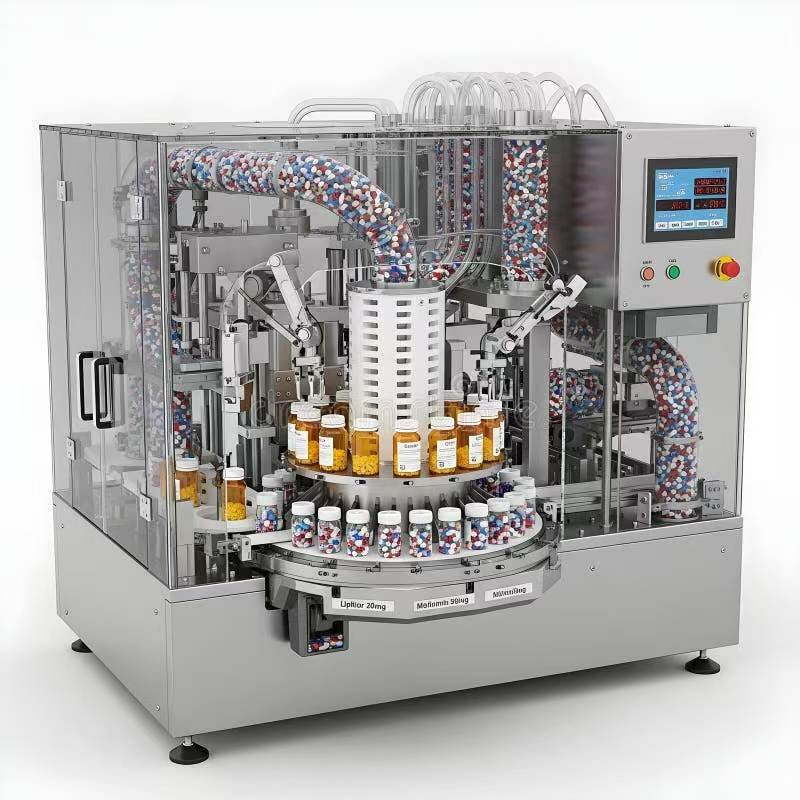
External Gear Slewing Bearing for Filling Machine
Rotary filling machines run continuously in food, beverage, daily chemical and pharmaceutical production lines. The rotary turntable bears complex loads including axial force, radial force and overturning moment, requiring high positioning accuracy, stable rotation and good environmental adaptability.
Our external gear slewing bearing adopts an integrated outer gear design, combining load bearing, rotary movement and gear drive. With fine-finished raceway, reasonable clearance control and double sealing structure, it delivers high rigidity, low vibration, smooth transmission and excellent dustproof & waterproof performance, perfectly fitting the humid and clean working conditions of filling workshops.
After practical application, the bearing ensures precise alignment between filling heads and bottle mouths, effectively avoiding liquid overflow and dripping. It reduces equipment operation noise and failure rate, extends service life, and lowers daily maintenance costs.
Specific:m:6 ;Z:345; ID:1948mm; OD:2214mm H:80mm
Feature:
Light weight ,saving space
Get Engineered Bearing Solutions Now
Submit your operational parameters (speed/load/temperature) to receive precision selection reports downloads within 24 hours, with 10+ year lifespan solutions.
Pairs angular contact ball bearing,four point contact ball bearing,crossed roller bearings,with the feature of light weight and compact structure,are widely used in semiconduct industry.
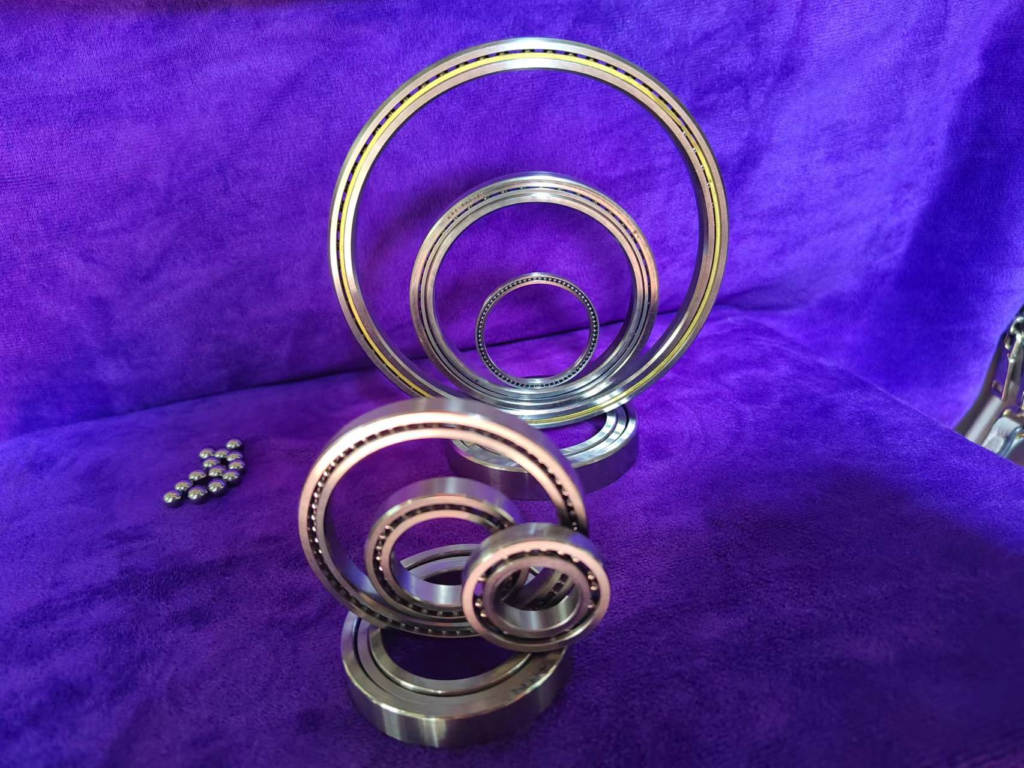
For high precision bearings,P5 grade is the lowest requirements,and we can provide P2 grade bearing.
Main material:9Cr18Mo(AISI440C);
Advantages on precision and cost;
Cage structure is choosed based on the working condition with material of metal or polymer.
Rolling elements adopts high quality stainless steel or cramical ball from home and abroad.
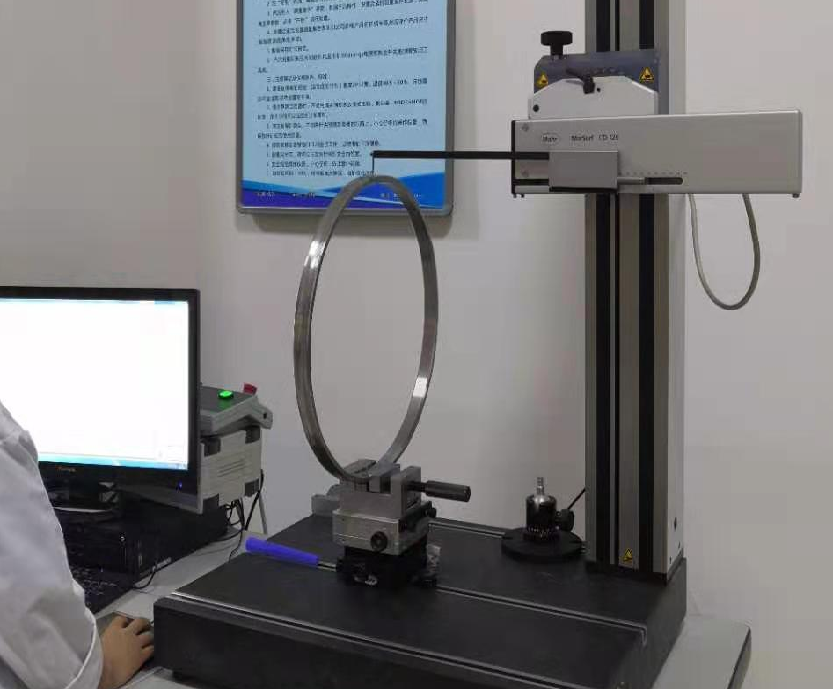
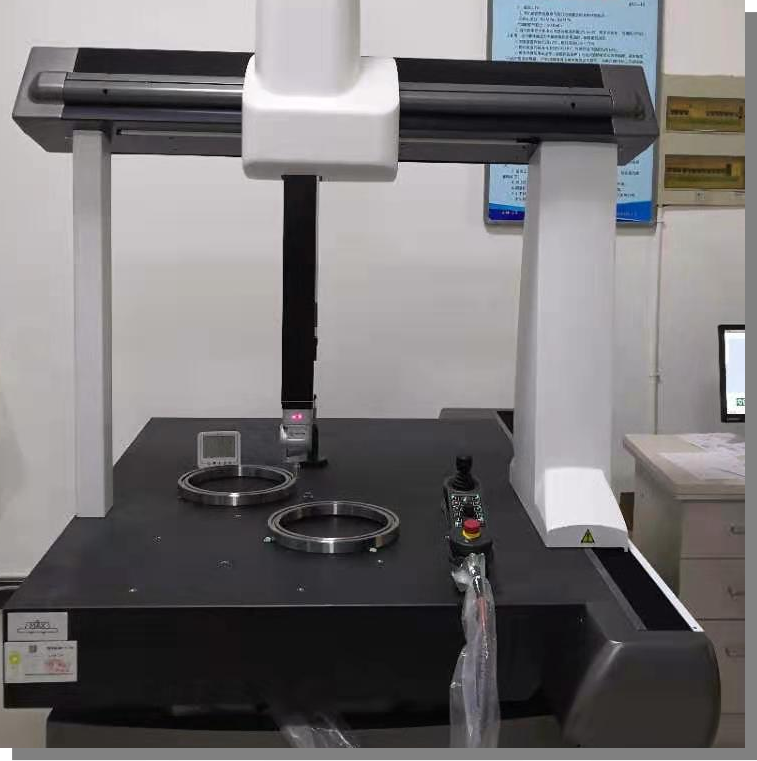
Production capacity and Inspection methods
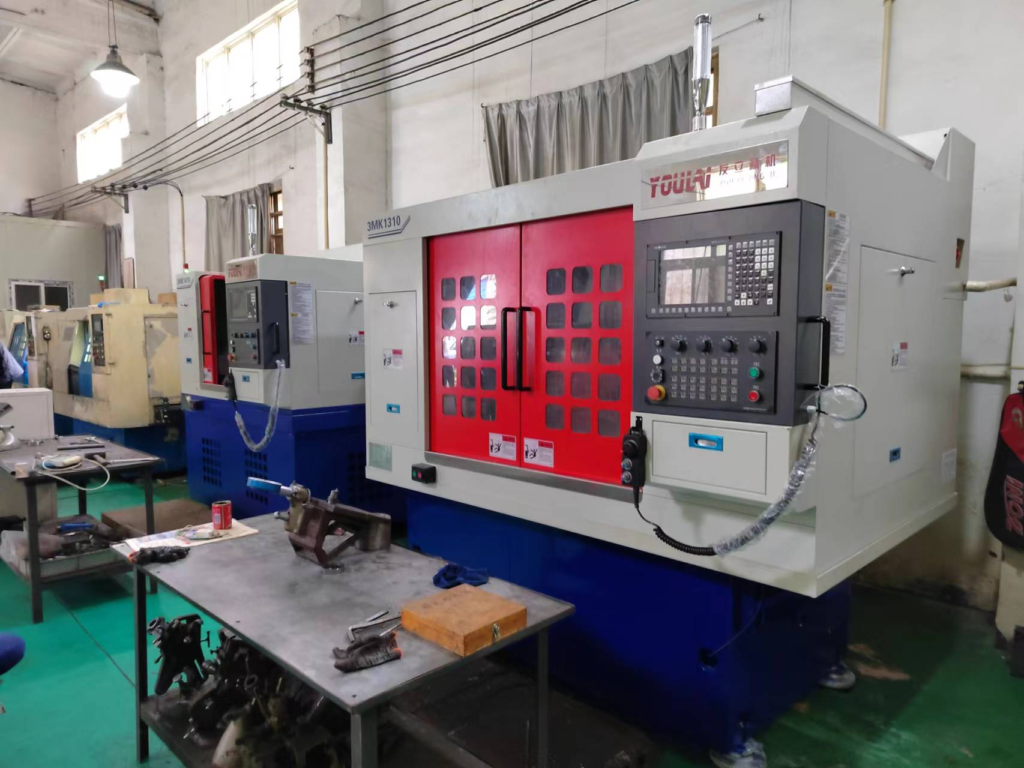
From control of material ,inspection of heat treatment,to cut and grind machining,we have comprehensive production capabilities suitable for thin section bearings.
The surface grinding machine can ensure the roughness and flatness of bearing parts.CNC grinder has high machining accuracy,and superfinishing machine ensuer high quality of bearing surface.
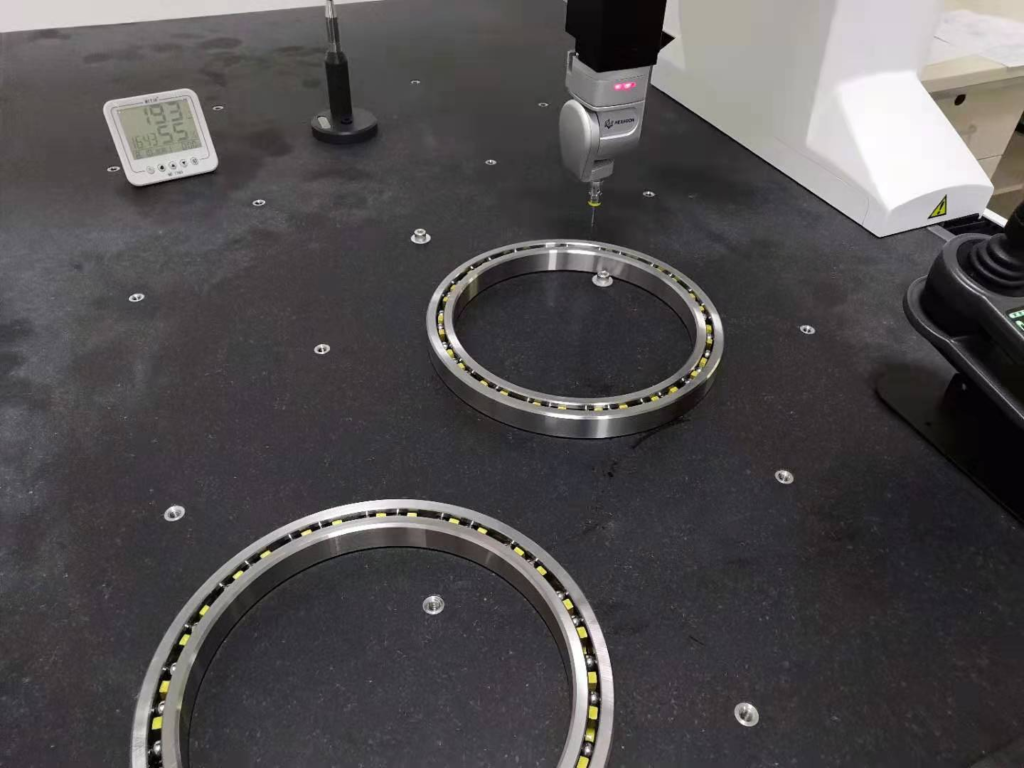
Except for normal special bearing inspection instruments,we have CMM,length gauge,roundness measuring instrument and profiler to control the quality of bearing.
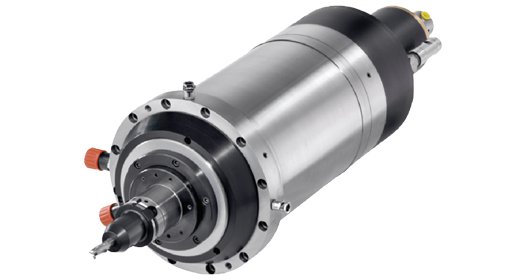
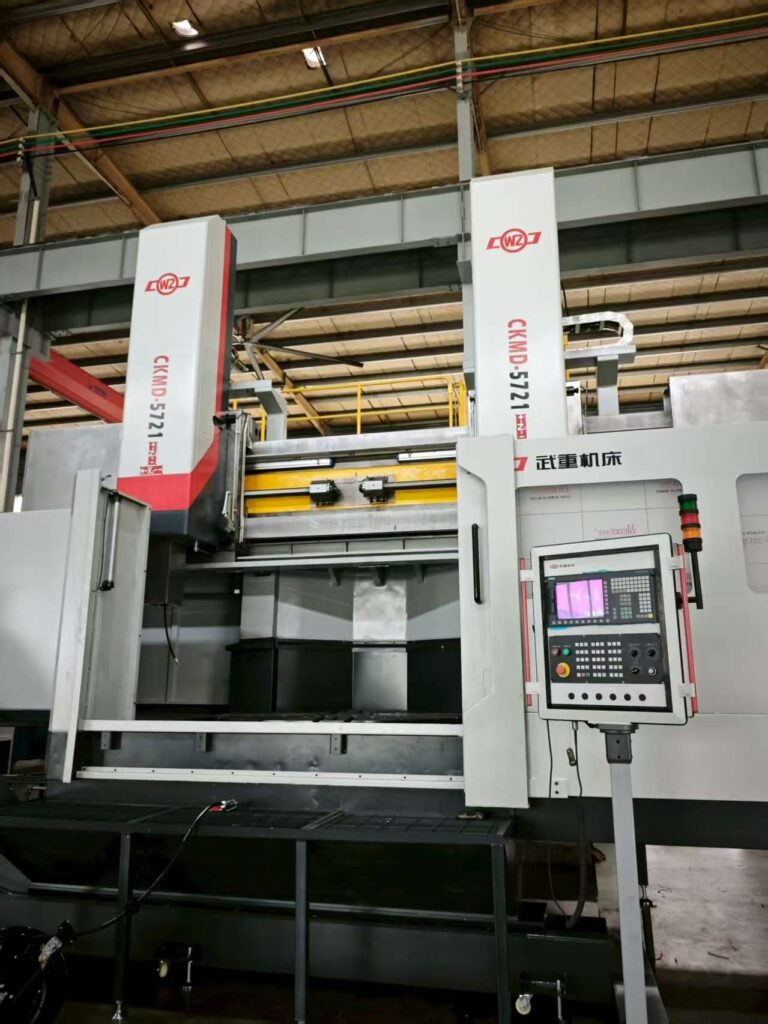
In machine tools, a spindle is a rotating axis of the machine, which often has a shaft at its heart. The shaft itself is called a spindle, but also, in factory practice, the word often is used metonymically to refer to the whole rotary unit, including not only the shaft itself, but its bearings and other parts attached to it (chuck, etc.).
A machine tool may have several spindles, such as the headstock and tailstock spindles on a bench lathe. The main spindle is usually the biggest one. References to “the spindle” without further qualification imply the main spindle. Some machine tools that specialize in high-volume mass production have a group of 4, 6, or even more main spindles. These are called multispindle machines. For example, gang drills and many screw machines are multispindle machines. Although a bench lathe has more than one spindle (counting the tailstock), it is not called a multispindle machine; it has one main spindle.
Examples of spindles include
On a lathe (whether wood lathe or metal lathe), the spindle is the heart of the headstock.
In rotating-cutter woodworking machinery, the spindle is the part on which shaped milling cutters are mounted for cutting features (such as rebates, beads, and curves) into mouldings and similar millwork.
Similarly, in rotating-cutter metalworking machine tools (such as milling machines and drill presses), the spindle is the shaft to which the tool (such as a drill bit or milling cutter) is attached (for example, via a chuck).
Varieties of spindles include grinding spindles, electric spindles, machine tool spindles, low-speed spindles, high speed spindles, and more.
Types of Machine Tool Spindles: CNC Machine Spindles, Motorized Spindles, Multi Drill and Tap Head, Box and Cartridge spindles, Gear Driven Spindles, Belt Driven Spindles, Cluster Spindles, and any Specialty Spindles.
Spindle ball bearings are single-row angular contact ball bearings with a contact angle of 15° or 25° that can support load on one side. In respect of their design, their running accuracy and the materials used, they are optimised for highest speed and great bearing capacity.